

Shopping Cart
The Smoother Way to Stay Energised
For many people around the world, coffee is the default solution for fatigue. It is deeply embedded in modern work culture, social habits, and daily routines. One cup leads to another, and before long caffeine becomes a necessity rather than a choice.
Yet coffee is not the only way — nor always the best way — to stay energised. In South America and increasingly across Europe and North America, yerba mate has been used for centuries as a natural source of steady energy, mental clarity, and physical endurance.
This article explores in depth how yerba mate compares to coffee, why many people experience it as a smoother and more balanced alternative, and why millions worldwide choose it not only for energy, but for lifestyle and culture.

Yerba Mate and Coffee: A Fundamental Difference
At first glance, yerba mate and coffee appear similar. Both contain caffeine, both are brewed as hot beverages, and both are associated with increased alertness. The key difference lies in how that energy is delivered and how the body responds over time.
Coffee delivers caffeine rapidly. Blood caffeine levels rise quickly, often resulting in an immediate surge of stimulation. For many people this comes with side effects such as nervousness, elevated heart rate, digestive discomfort, and eventually an energy crash.
Yerba mate, on the other hand, provides caffeine alongside a unique combination of compounds including theobromine, theophylline, polyphenols, and naturally occurring minerals. This combination results in a slower, more stable release of energy. Users often describe the effect as focused, calm, and sustained rather than intense and abrupt.
Key Physiological Differences
| Aspect | Coffee | Yerba Mate |
|---|---|---|
| Caffeine release | Fast spike | Gradual and sustained |
| Energy duration | Short-lived | Long-lasting |
| Jitters & anxiety | Common | Rare |
| Crash effect | Frequent | Minimal |
Why Yerba Mate Feels Different
Yerba mate is unique among caffeinated plants. It contains caffeine, but also theobromine — a compound also found in cacao — known for promoting smooth, long-lasting energy and mild mood enhancement.
Additionally, yerba mate is rich in antioxidants and polyphenols. Some studies suggest it contains higher antioxidant activity than green tea, supporting reduced oxidative stress and overall cellular protection.
Unlike coffee, which can irritate the stomach lining in sensitive individuals, yerba mate is generally gentler on digestion when consumed responsibly. Many people who reduce or eliminate coffee report improved gut comfort after switching.
Yerba Mate Consumption and Culture
In Argentina, Uruguay, Paraguay, and southern Brazil, yerba mate is a daily companion rather than an occasional beverage. In Argentina alone, consumption averages several kilograms per person annually, exceeding coffee intake by a wide margin.
Yerba mate is consumed throughout the day and, culturally, more frequently than alcohol. It is present at home, at work, during travel, and in social gatherings.
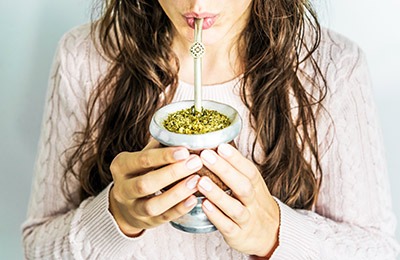
Unlike coffee, which is often consumed individually and quickly, yerba mate is traditionally shared. One gourd, one bombilla, passed from person to person — reinforcing connection, patience, and ritual.
Yerba Mate for Coffee Drinkers
Many coffee drinkers worry whether yerba mate will feel strong enough. In reality, many report equal or greater functional energy, with fewer side effects.
- Longer-lasting focus
- Reduced nervousness
- More stable mood
- Better hydration habits
Yerba mate does not demand constant refilling to chase stimulation. It supports productivity through balance rather than intensity.
Curious to Try Yerba Mate?
If you are new to yerba mate, choosing the right variety makes a significant difference. Some blends are smoother, milder, and ideal for those transitioning from coffee.